
The Ultimate Guide to Payroll Processing in the United States


Processing payroll in the United States can be a complex process, but understanding the fundamental steps can simplify the task. Whether you are a small business owner or part of a larger organization, keeping up with payroll is crucial to maintaining compliance and ensuring employee satisfaction.
Understanding Payroll Basics
Payroll processing involves several tasks such as calculating wages, withholding taxes, and distributing payments. It's essential to know the different components of payroll, including gross pay, deductions, and net pay. Gross pay refers to the total earnings before deductions, while net pay is what employees take home after all deductions.
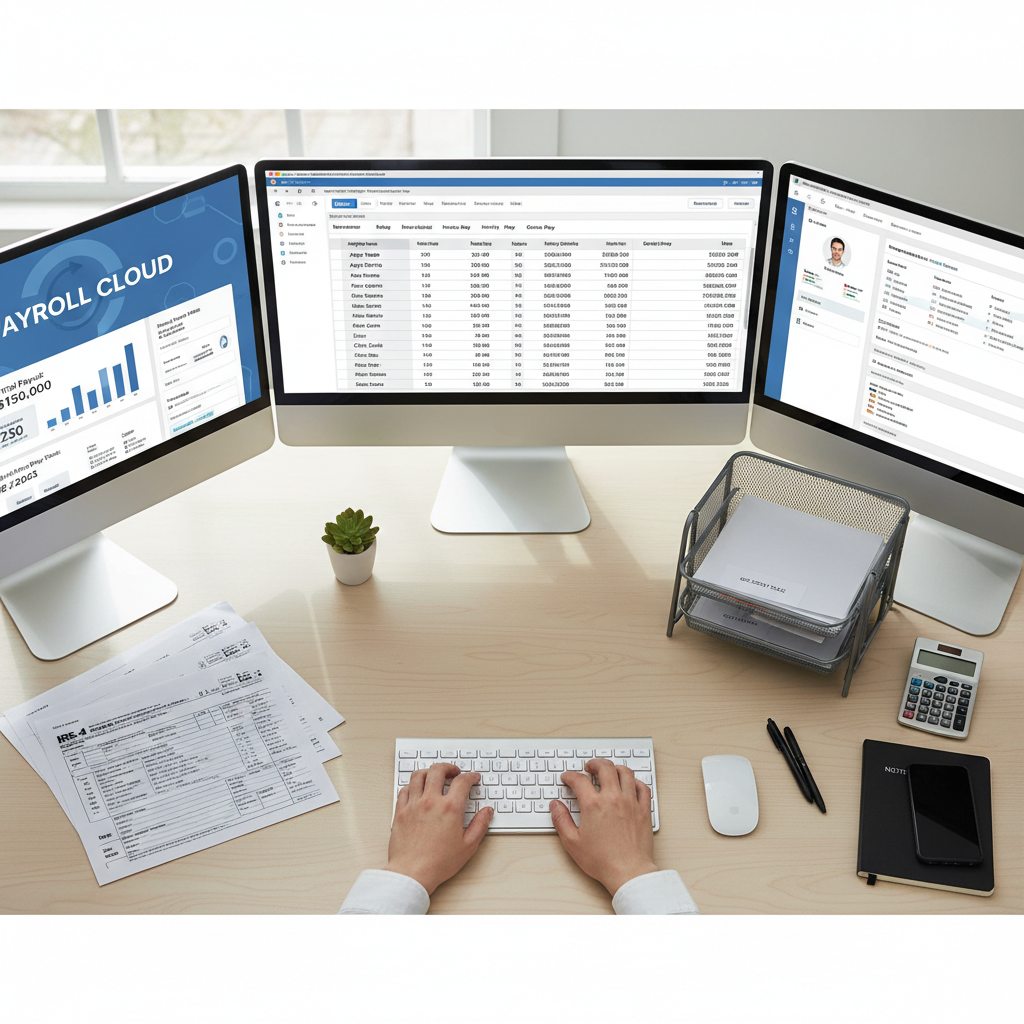
Key Payroll Components
When processing payroll, you need to be aware of several components:
- Employee Information: This includes personal data and tax-related details.
- Working Hours: Accurate tracking of hours worked is vital for calculating pay.
- Benefits and Deductions: Health insurance, retirement contributions, and other benefits affect the final pay.
Compliance with Federal and State Laws
Compliance is a critical aspect of payroll processing. The United States has specific regulations at both the federal and state levels. Failing to comply with these laws can result in fines and legal issues. Familiarize yourself with the Fair Labor Standards Act (FLSA) and state-specific requirements to ensure you are adhering to all necessary guidelines.

Tax Withholding and Reporting
Employers are responsible for withholding federal and state income taxes from employee paychecks. Additionally, Social Security and Medicare taxes must be accurately calculated and reported. Understanding these requirements is vital for avoiding penalties.
Choosing the Right Payroll System
Investing in a reliable payroll system can save time and reduce errors. There are various payroll software options available, ranging from basic to advanced features. Consider factors such as ease of use, integration capabilities, and customer support when selecting the right system for your business.
Manual vs. Automated Payroll
Decide whether to process payroll manually or use an automated system. While manual processing might seem cost-effective for very small businesses, it is time-consuming and prone to errors. Automated systems offer efficiency and accuracy, making them a preferable choice for most businesses.
Maintaining Payroll Records
Proper documentation is essential for successful payroll processing. Keep records of all payroll transactions, including timesheets, tax filings, and employee contracts. These records will be invaluable during audits and when resolving any discrepancies.
By following these guidelines, you can streamline your payroll process and ensure compliance with all relevant laws. A well-managed payroll system not only benefits your business but also enhances employee satisfaction by ensuring timely and accurate payments.